Chasing Tens
Scan Cards. Spot Gems. Chase Tens.
In development · Android firstTwo questions, every time you pick up a card
Chasing Tens exists to answer both of them — and deliberately little else.
“What’s this one worth?”
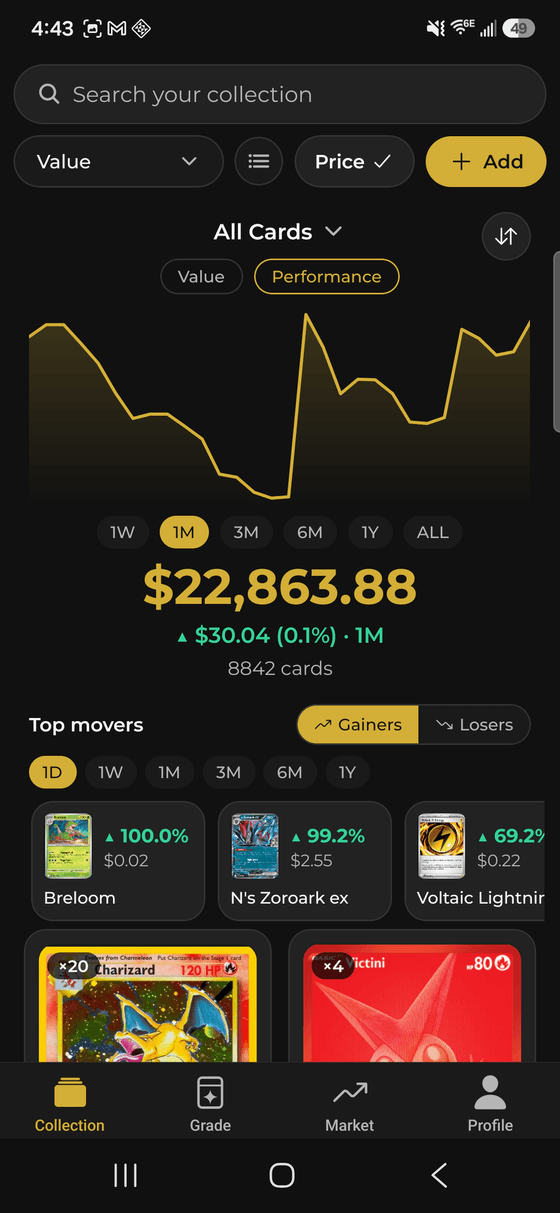
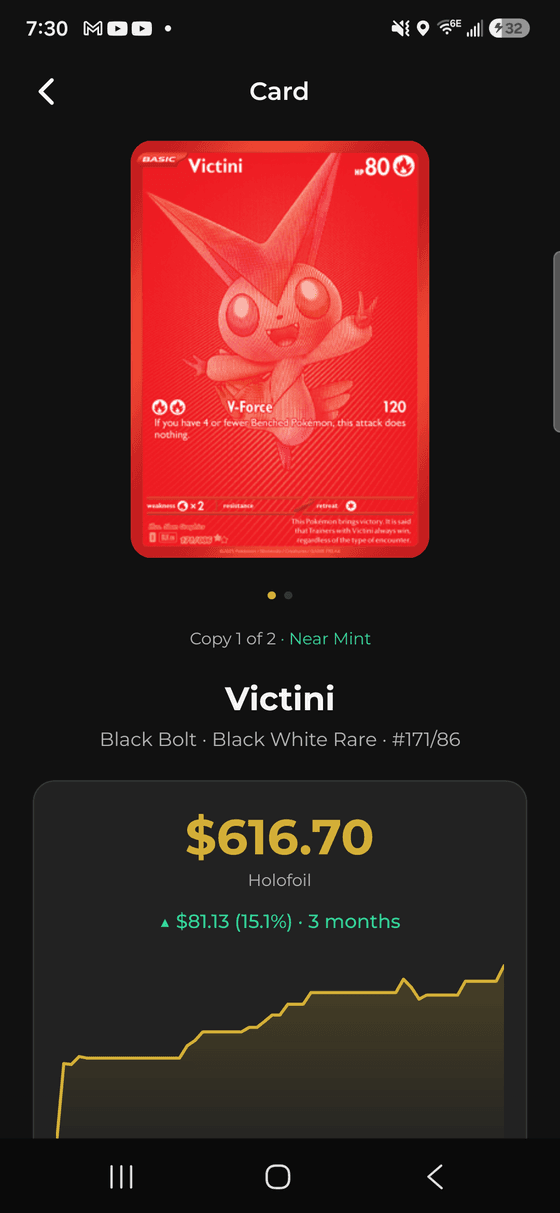
Point the camera and the card identifies itself — name, set, number and finish, even through a sleeve or toploader. You get its live market price, its price history, and what it does to your collection’s total. No typing, no hunting through a database.
“Should I get it graded?”
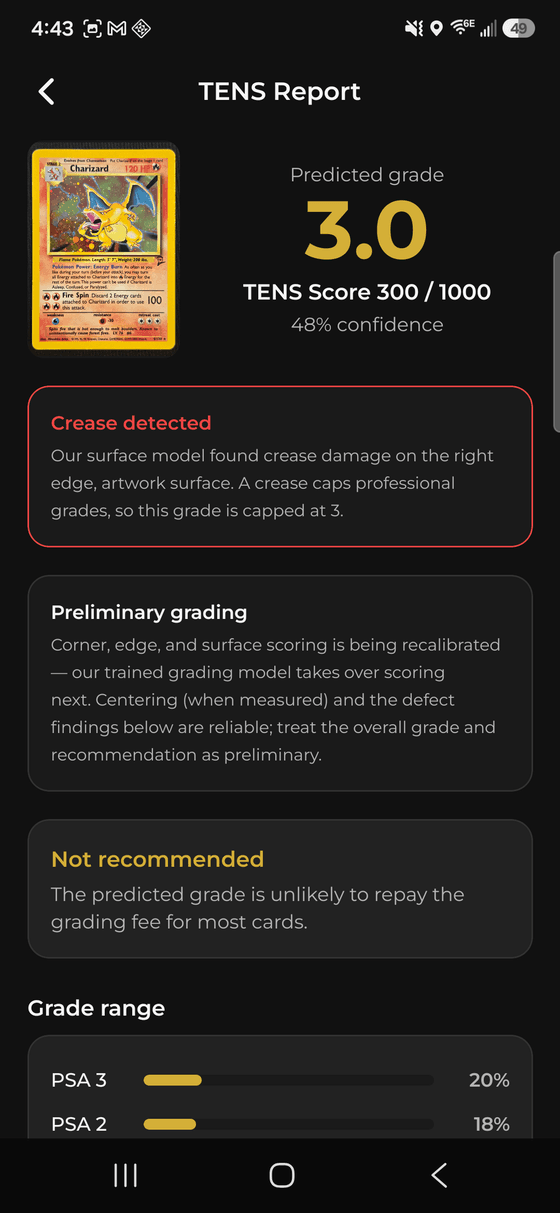
A deeper scan measures the card — centering, corners, edges, surface — and predicts the grade it would come back as, with a full TENS Report behind the number. Professional grading runs about $25 a card. This is how you decide before you spend it.
One loop, start to finish
Built so the boring part — typing card names into a spreadsheet — simply doesn’t happen.
The app
Real screens from the current build, on a real phone.
Screens are from a development device. The collection shown is seeded test data, not a real holding, so the totals aren’t meaningful.
What you actually get
A collection that keeps itself current
As many collections as you keep, with duplicates, conditions and finishes tracked properly. Prices refresh daily and your value history builds itself. Already tracking somewhere else? Import from a CSV and carry on where you left off.
The whole market, not just your shelf
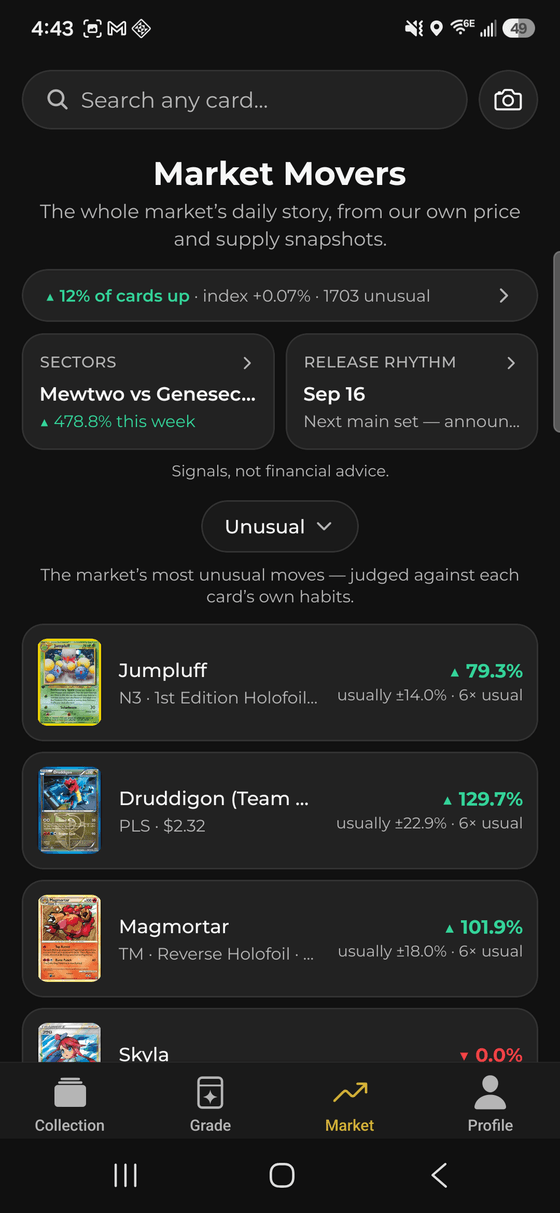
Most apps show you your cards. Chasing Tens reads the entire market daily from its own price and supply snapshots — what’s climbing, what’s cooling, and what’s moving unusually for that particular card. Signals, not financial advice.
A grade prediction that shows its work
Every scan produces a report: the predicted grade, how confident it is, the defects it found and where, and what each one costs you. When it can’t measure something cleanly, it says so instead of inventing a number.
Built different
Plenty of apps can price a card. Chasing Tens answers the question that actually costs you money: should this card be graded?